On one fine day, you suddenly perceive a minor inconvenience. A generator that won't start…

¿Cómo tratar la contaminación microbiana del gasóleo con Acticide CMG?
If your diesel engines have been acting up — maybe filters clog faster than usual, or you’ve noticed dark sludge at the bottom of the tank — you’re probably dealing with microbial contamination. It’s one of those hidden problems that starts small but causes major headaches over time.
What’s really happening is simple: fuel and water don’t mix, but water always finds a way into storage tanks through condensation or air exposure. That small layer of moisture is enough to let bacteria and fungi start growing. Once they’re in, they feed on the fuel itself, multiply quickly, and form a sticky mess that clogs lines, corrodes metal, and ruins good fuel.
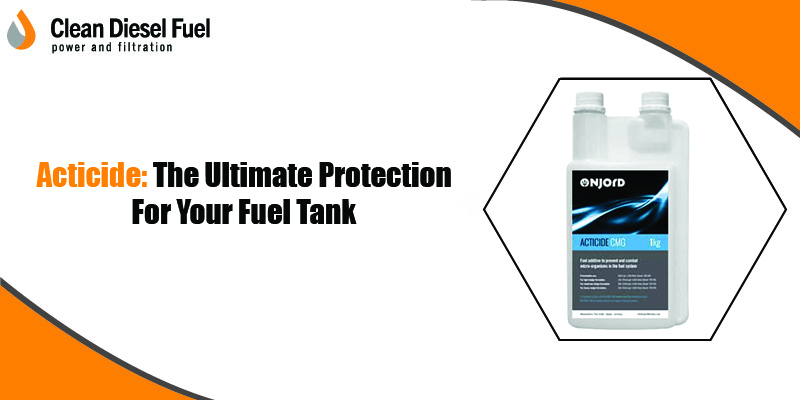
The most effective way to stop this is to use Acticide CMG, a German-made treatment that kills micro-organisms completely and helps keep diesel, gasoline, and kerosene cleaner and more stable for longer.
Why Microbes Become a Problem in Fuel?
Every fuel tank, whether on a truck, boat, or generator, breathes. When temperatures change, the tank pulls in moist air, which condenses inside. Over time, those water droplets gather at the bottom — and that’s all microbes need to start growing.
They live right at the point where the water and fuel meet. At first, you might not notice anything, but soon filters start blocking, the engine feels less responsive, and the fuel itself looks cloudy. If you check the bottom of the tank, you might see black or brown sludge — that’s microbial buildup.
Once that happens, just swapping filters or draining the tank won’t do. The microbes cling to the surfaces inside and keep coming back unless they’re destroyed. That’s where a Diesel fuel microbial contamination biocide comes in. It doesn’t just clean; it eliminates the source of the problem.
Why Acticide CMG Works So Well
Acticide CMG is different from ordinary fuel additives. It’s a broad-spectrum fuel biocide for gasoline and kerosene — meaning it works across multiple fuel types and kills bacteria, fungi, and yeast simultaneously.
It spreads evenly through both the fuel and the water layer, reaching areas that other additives can’t. Once it’s mixed in, it breaks down the microbial film that protects the organisms, kills them completely, and keeps new ones from forming.
People use it across industries — from marine and transport fleets to generators and fuel storage facilities — because it’s dependable and easy to use. You just add it to the tank and let it do its work.
Here’s why it’s so effective:
- Works in diesel, kerosene, and gasoline
- Acts quickly and keeps working long after treatment
- Safe for engines and fuel system materials
- Doesn’t affect fuel performance or combustion
- Simple to apply with no special equipment
Because it kills microbes in both the fuel and water layers, it provides full protection—not just a temporary fix.
How to Use Acticide CMG
The treatment process is straightforward, but the dosage depends on the severity of the contamination. When used as a micro-organism control fuel system additive, it can handle both preventive care and serious cleanup.
Preventive Use
If your tank is clean and you want to keep it that way, add a small amount before refuelling. The fresh fuel helps mix it through the tank, keeping microbes from ever taking hold. This is especially smart for equipment that sits unused for long periods or tanks exposed to humidity.
A preventive dose keeps the system clean, filters clear, and fuel stable — it’s like routine health care for your engine.
Corrective Use
If you already have sludge or visible contamination, use a higher dose. Here’s how to do it right:
- Drain any water sitting at the bottom of the tank.
- Add the product directly into the remaining fuel.
- Mix or circulate it so it reaches every part of the system.
- Let it sit for several hours to kill all microbial growth.
- Afterwards, clean out the debris and replace filters.
After treatment, the fuel will clear up, and the system will run more smoothly. The product also acts as an anti-bacterial fuel treatment for tanks and engines, keeping them protected well after the cleanup.
How to Keep Fuel Clean Over Time?
Once your fuel system is back in shape, you need to take a few easy steps to keep it that way:
- Always drain water from tanks regularly.
- Keep tanks sealed and limit condensation.
- Replace filters on schedule, especially after treatment.
- Check fuel for clarity every few months.
- Use quality filtration when transferring or refuelling.
Combining those simple habits with periodic preventive treatment means you’ll rarely have to deal with microbial buildup again. Because it’s a fuel biocide for preventive and corrective use, Acticide CMG fits easily into regular maintenance — whether you’re managing a fleet, running generators, or maintaining bulk storage tanks.
En resumen
Microbial growth in fuel is one of those problems that creeps up quietly and then costs you time, performance, and money. But it’s not difficult to solve when you tackle it the right way. Acticide CMG works across diesel, gasoline, and kerosene systems, making it a reliable solution for anyone who wants clean, stable, trouble-free fuel.
The anti-bacteria fuel treatment for tanks and engines is available online at Clean Diesel Fuel, browse the selection today!
Preguntas frecuentes
- How do microbes get into my fuel?
Even a little water in the tank is enough for bacteria and fungi to start growing; that’s all they need.
- How do I know if my fuel has microbes?
If you see sludge at the bottom, cloudy fuel, clogged filters, or your engine running rough, it’s a good sign that microbes are present.
- Can I stop microbes before they become a problem?
Absolutely. Keep water out of the tank, seal it properly, and use a preventive dose of a fuel biocide.
Gerelateerde berichten