Eines schönen Tages bemerkt man plötzlich eine kleine Unannehmlichkeit. Ein Generator, der nicht anspringt…

Verunreinigung des Kraftstofftanks: Warum ist der Einsatz eines Biozids wichtig?
Vielleicht schauen Sie sich Ihren Diesel, Ihr Benzin oder Ihr Kerosin an und denken: „Sieht für mich ganz in Ordnung aus.“ Aber das eigentliche Problem verbirgt sich meist am Boden des Tanks, wo man es nicht sehen kann. Mit der Zeit dringt ein wenig Wasser ein. Vielleicht durch Kondenswasser, vielleicht durch ein winziges Leck, aber dieses Wasser bleibt im Tank zurück. Und wissen Sie was? Genau das brauchen Mikroben – winzige Bakterien und Pilze –, um zu wachsen. Sie finden diese feuchte Stelle, beginnen, Ihren Kraftstoff zu verzehren, und vermehren sich mit der Zeit.
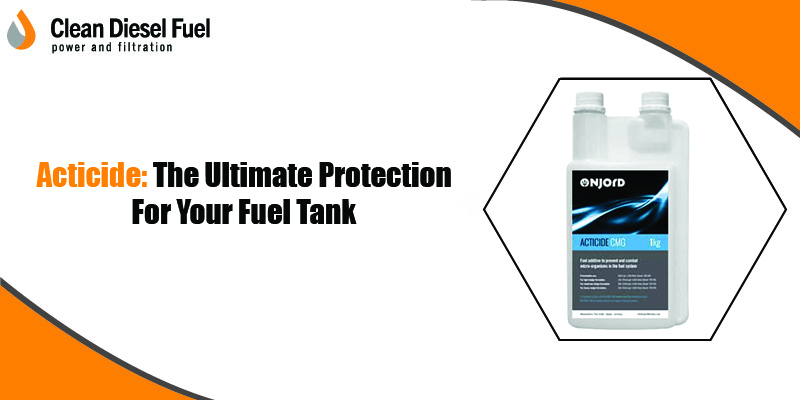
Bevor man sich versieht, sammeln sich Schlamm und Schleim an, verstopfen die Kraftstofffilter und greifen den Tank an. Und das Schlimmste daran? Der Motor springt nur schwer an, und plötzlich steht man da und versucht herauszufinden, woran das liegt. Lesen Sie weiter, um zu erfahren, auf welche Anzeichen Sie bei einer Kraftstoffverunreinigung achten müssen und wie Njord Acticide CMG , ein Biozid gegen Mikroorganismen, helfen kann!
Woran erkennt man, dass der Kraftstoff verunreinigt ist?
Das ist auf den ersten Blick nicht immer offensichtlich, aber hier sind einige Anzeichen, auf die man achten sollte:
- Die Filter verstopfen ständig. Wenn Sie das Gefühl haben, alle zwei Wochen Filter austauschen zu müssen, könnte Schlamm die Ursache sein.
- Der Kraftstoff sieht anders aus oder riecht unangenehm. Kraftstoff sollte klar sein und einen deutlichen Kraftstoffgeruch haben, der weder säuerlich noch verdorben ist.
- Ihr Motor macht Probleme. Wenn er schwer anspringt, unruhig läuft oder an Leistung verliert, könnte schlechter Kraftstoff die Ursache sein.
- Bei der Kraftstoffprobenahme sieht man Wasser. Das Wasser sammelt sich am Boden, und genau dort siedeln sich Mikroben an!
- Rost oder Korrosion im Inneren des Tanks. Mikroben produzieren saure Abfallstoffe, die das Metall mit der Zeit zersetzen.
Wie wirkt ein Biozid?
Die Sache ist die: Sobald Mikroben in Ihren Tank gelangen, verschwinden sie nicht einfach von selbst wieder. Sie müssen sie abtöten. Hier kommt ein Biozid ins Spiel. Stellen Sie sich ein Biozid als einen speziellen Reiniger für Ihren Kraftstoff vor, der die Bakterien, Pilze und Algen einfängt, die sowohl in der Kraftstoff- als auch in der Wasserschicht leben. Es verhindert, dass sie wachsen und sich ausbreiten, was weniger Schlamm und weniger Filterprobleme bedeutet.
Sie können ein Biozid auf zwei Arten anwenden:
- Um ein Problem zu beheben, das bereits vorliegt
- Es verhindern, bevor es überhaupt anfängt
Sie müssen jedoch wissen, dass das Abtöten der Mikroben nur die halbe Miete ist. Selbst wenn sie tot sind, bleiben ihre Überreste und der von ihnen hinterlassene Schlamm zurück. Wenn Sie diesen nicht entfernen, werden Sie weiterhin Probleme in Ihrem Kraftstofftank haben.
Warum ist Acticide CMG eine gute Wahl?
Wenn Sie ein Biozid suchen, das seine Aufgabe zuverlässig erfüllt, ist das in Deutschland hergestellte Acticide CMG (Thor) ist die beste Wahl. Es eignet sich hervorragend für Diesel-, Benzin- und Kerosintanks – ganz gleich, ob Sie ein bestehendes Problem beheben oder einfach nur Ihren Kraftstoff frisch halten möchten.
Was macht es so gut?
- Tötet Bakterien, Pilze und Hefen ab
- Funktioniert sowohl in Kraftstoff- als auch in Wasserschichten
- Sie können die Dosis je nach Schweregrad der Erkrankung anpassen.
- Bietet lang anhaltenden Schutz
- Einfach zu bedienen und von Branchenexperten geschätzt
Bei mäßiger oder starker Verschmutzung sollten Sie auf jeden Fall die richtige Dosierung einhalten und anschließend eine Tankreinigung durchführen.
Die Reinigung Ihres Tanks ist genauso wichtig
Sobald das Biozid die Mikroben abgetötet hat, muss man sich noch um den verbleibenden Schlamm und das Wasser kümmern. Tut man das nicht, verstopft dieser Schmutz weiterhin die Filter und verursacht Probleme mit dem Kraftstoff. Der beste Weg, diese Verschmutzung zu beseitigen, ist ein geeignetes Kraftstoffreinigungssystem. Zum Beispiel das mobiles Tankreinigungssystem von Njord ist ein hervorragendes Hilfsmittel, um Wasser und Schlamm sicher vom Tankboden zu entfernen. Das Ergebnis ist sauberer Kraftstoff und ein trockener Tank, der sofort einsatzbereit ist.
Fazit
Mikrobielle Verunreinigungen in Kraftstofftanks kommen weitaus häufiger vor, als den meisten Menschen bewusst ist – und sie verursachen Zeit- und Geldverschwendung. Das Problem lässt sich leicht beheben, wenn man weiß, wie es geht. Entscheiden Sie sich für ein bewährtes Biozid wie Njord Acticide CMG von Clean Diesel Fuel , um die Mikroben abzutöten. Lassen Sie anschließend Ihren Tank reinigen, um saubereren Kraftstoff, weniger Motorprobleme und Ihre Sicherheit.
Warten Sie nicht, bis es zu einer Panne kommt, um sich ernsthaft mit Ihrem Kraftstoff zu befassen. Kaufen Sie Ihre Kraftstofffilterprodukte noch heute bei Clean Diesel Fuel!
Gerelateerde berichten