A diesel fuel conditioner can help maintain fuel quality and, depending on its formulation, control…

Wie sorgen Kraftstoffadditive dafür, dass Dieselkraftstoff sauber und stabil bleibt?
Wenn man Dieselgeräte – Lkw, Generatoren, Schiffsmotoren, Schwermaschinen – lange genug betreibt, stößt man irgendwann auf ein Problem, das sich nicht durch eine Warnleuchte auf dem Armaturenbrett bemerkbar macht.
- Die Filter verstopfen schneller als sie sollten.
- Der Kraftstoff sieht trüb aus oder riecht seltsam.
- Motoren verlieren ohne ersichtlichen Grund an Effizienz.
Und wenn man schließlich einen Tank öffnet oder einen Filter aufschneidet, findet man es: diesen klebrigen, geleeartigen Schleim, den niemand jemals sehen möchte. Das ist mikrobielles Wachstum in Dieselkraftstoff. Und im Jahr 2026 kommt das häufiger vor als je zuvor.
Dieser Blogbeitrag zeigt, wie ein wirksamer Kraftstoffzusatz die Leistung Ihres Motors verbessern kann – lesen Sie also weiter!
Warum ist das Wachstum von Mikroorganismen ein so großes Problem?
Dieselkraftstoff ist heute nicht mehr derselbe wie noch vor Jahren. Moderne Kraftstoffe – insbesondere solche mit Biodieselbeimischungen – enthalten mehr Wasser. Kombiniert man dies mit längeren Lagerzeiten, wärmeren Klimabedingungen und dichteren Kraftstoffsystemen, finden Mikroorganismen genau die Bedingungen vor, die sie zum Gedeihen benötigen.
Sobald sie zu wachsen beginnen, „befinden“ sie sich nicht mehr nur im Kraftstoff. Sie richten echten Schaden an:
- Sie produzieren Schleim, der die Kraftstofffilter verstopft
- Sie bilden ätzende Säuren, die Tanks und Kraftstoffleitungen angreifen.
- Sie beeinträchtigen die ordnungsgemäße Verbrennung
- Sie führen zu höheren Wartungskosten und längeren Ausfallzeiten
Das Frustrierende daran? Oft merkt man erst, was los ist, wenn der Schaden bereits angerichtet ist.
Die alte Methode: Mikroben erst abtöten, wenn das Problem bereits aufgetreten ist
Bislang wurde mikrobieller Kontamination traditionell mit chemischen Bioziden begegnet. Diese töten zwar Mikroben ab – haben aber auch Nachteile:
- Chemikalien müssen wiederholt zugegeben werden
- Auch abgestorbene Mikroben verstopfen letztendlich die Filter
- Es gibt Bedenken hinsichtlich der Umwelt und der Handhabung
- Das ist eine Reaktion, keine Prävention
Kurz gesagt: Biozide beseitigen die Folgen, nachdem sich Mikroben bereits vermehrt haben.
Kraftstoffaufbereiter verfolgen einen anderen Ansatz.
Wie verhindern Kraftstoffadditive eigentlich das Wachstum von Mikroorganismen?
Anstatt zu versuchen, Verunreinigungen zu beseitigen, sorgen Kraftstoffadditive dafür, dass Dieselkraftstoff von vornherein ein für Mikroben ungünstiger Lebensraum ist.
- Sie stören Mikroben auf zellulärer Ebene
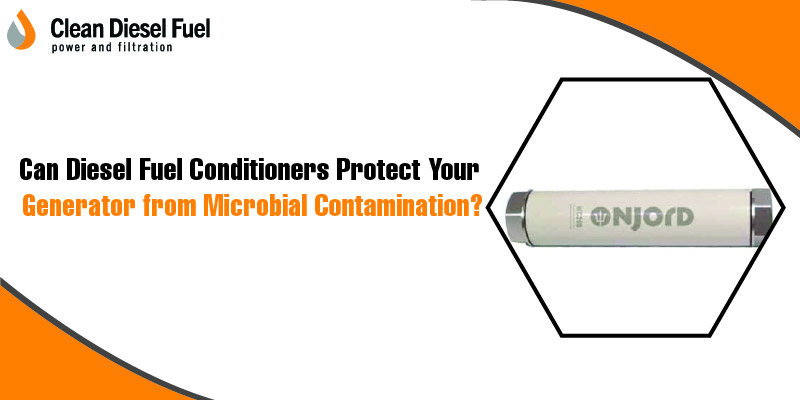
Njord-Kraftstoffaufbereiter nutzen eine magnetische Aufbereitungskammer, die direkt in den Kraftstoffstrom eingebaut ist. Wenn der Kraftstoff den Aufbereiter durchströmt, geschieht etwas Wichtiges.
Die im Kraftstoff schwebenden Mikroben unterliegen einer magnetischen Induktion.
Diese Einweisung:
- Stört das elektrische Gleichgewicht der mikrobiellen Zellmembran
- Verhindert, dass sich Mikroben ansammeln und vermehren
- Verhindert, dass sie ätzende Säuren und Schleim produzieren
Einfach ausgedrückt: Die Mikroben verlieren ihre Fähigkeit, ordnungsgemäß zu funktionieren. Sie können sich nicht ansiedeln, keine Kolonien bilden und keine Probleme verursachen.
- Kein Schleim, keine verstopften Filter
Dieser dicke, geleeartige Schleim bereitet die meisten betrieblichen Probleme. Er lagert sich an den Tanks ab, verstopft Filter und bringt Anlagen zum Stillstand.
Da Kraftstoffadditive die Bildung von Mikrobenkolonien verhindern, kann sich der Schleim gar nicht erst ansammeln.
Das Ergebnis?
- Filter halten länger
- Plötzliche Verstopfungen werden reduziert
- Der Kraftstoffdurchfluss bleibt konstant
Das allein ist schon eine große Erleichterung für alle, die es leid sind, Filter im Notfall auszutauschen.
- Kleinere Kraftstoffpartikel machen einen großen Unterschied
Kraftstoffadditive verringern zudem die Partikelgröße in Dieselkraftstoff, Schmierölen, Hydraulikölen und anderen leichten Destillaten.
Warum ist das wichtig?
- Große Partikel verklumpen in der Regel
- Ablagerungen bilden sich in Tanks und Einspritzdüsen
- Ablagerungen schaffen Orte, an denen sich Mikroben ansiedeln und vermehren können
Kleinere Partikel bedeuten:
- Weniger Einzahlungen
- Sauberere Kraftstoffsysteme
- Insgesamt weniger Aufbau
Es ist eine dieser Verbesserungen, die auf unauffällige Weise gleich mehrere Probleme auf einmal löst.
- Sauberere Einspritzdüsen, bessere Verbrennung
Verschmutzte Einspritzdüsen sprühen den Kraftstoff nicht so ein, wie sie sollten. In diesem Fall verbrennt der Kraftstoff nicht vollständig.
Eine unvollständige Verbrennung führt zu:
- Weitere Einzahlungen
- Höherer Kraftstoffverbrauch
Da Kraftstoffadditive die Einspritzdüsen sauberer halten und die Kraftstoffpartikel kleiner machen, bleibt das Einspritzbild gleichmäßig.
Und eine sauberere Verbrennung bedeutet weniger Rückstände – ein weiterer Vorteil im Kampf gegen das Wachstum von Mikroorganismen.
- Weniger Wartungsaufwand, geringere Kosten, weniger Probleme
Einer der wichtigsten Gründe, warum Betreiber auf Kraftstoffaufbereiter zurückgreifen, ist praktischer Natur: Sie haben es satt, sich mit Problemen im Zusammenhang mit dem Kraftstoff herumzuschlagen.
Nach der Einführung der Kraftstoffaufbereitung stellen viele Nutzer Folgendes fest:
- Weniger Filterwechsel
- Längere Lebensdauer der Komponenten
- Geringere Ausfallzeiten
- Geringerer Kraftstoffverbrauch
Manche stellen sogar fest, dass sie die Mikronzahl des Filters getrost verringern können, da der Kraftstoff sauberer bleibt. Mit der Zeit summieren sich diese Einsparungen.
Kraftstoffadditive kommen ohne Chemikalien aus. Sie müssen nicht ständig dosiert werden. Sie warten nicht, bis Verunreinigungen sichtbar werden. Sie sorgen automatisch für einen stabilen Kraftstoff und saubere Systeme.
Im Jahr 2026, wenn die Herausforderungen hinsichtlich der Kraftstoffqualität immer größer werden, ist eine solche Vorsorge sinnvoll.
Abschließende Gedanken
Das Wachstum von Mikroorganismen im Dieselkraftstoff ist eines jener Probleme, die man leicht ignorieren kann – bis sie zu einem Ausfall führen. Wenn Sie es satt haben, sich mit verstopften Filtern, schleimigen Tanks und unvorhersehbaren Kraftstoffproblemen herumzuschlagen, ist es an der Zeit, sich nach einer vorbeugenden Lösung umzusehen.
Kaufen Sie den Njord Fuel Conditioner NFC-500 online bei Clean Diesel Fuel und sorgen Sie dafür, dass Ihr Dieselkraftstoff sauber, stabil und zuverlässig bleibt.
Häufig gestellte Fragen
- Warum wird Dieselkraftstoff schleimig oder verdirbt?
Wenn Wasser im Diesel vorhanden ist, vermehren sich dort winzige Mikroben, die einen Schleim bilden, der Filter verstopft und Motoren beschädigen kann. - Wie wirkt ein Kraftstoffadditiv?
Er verhindert das Wachstum von Mikroben, hält den Kraftstoff sauber und beugt Filterverstopfungen vor – ganz ohne Chemikalien. - Warum sollte ich einen Kraftstoffadditiv verwenden?
Durch den Einsatz von Kraftstoffadditiven sind weniger Filterwechsel erforderlich, die Motoren bleiben sauberer, es kommt zu weniger Ausfallzeiten und die Wartungskosten sinken.
Gerelateerde berichten