
Diesel fuel additives
Diesel is more sensitive to environmental factors than gasoline. At low temperatures, it becomes denser and loses functional properties. The mechanism in diesel engines is tuned not only for engine life and fuel injection, but also for fuel quality. Therefore, special additives are added to the fuel.
To improve the properties of the fuel, chemical diesel additives are used, which, by mixing with components of the liquid, stimulate various chemical processes. Diesel additives are often complex and serve many purposes simultaneously. Today, the most popular versions are combustion modifiers.
Increases cetane number provides faster cold starting and reduces smoke emissions. Contributes to an increase in engine power.
We offer various diesel additives to improve diesel quality, engine performance, filterability and emissions. The diesel additive must be in contact with all fuel. Mixing is required with a polishing system, pump or by filling the tank with plenty of fresh fuel. Tank agitation will also incorporate additives.
Improve the quality of diesel. A diesel additive makes your engine use less fuel. That means you don't have to fill up as often - and that means you save money over time. With improved engine performance, you may also find that your engine uses fuel more efficiently, another factor that can reduce consumption (and your costs).
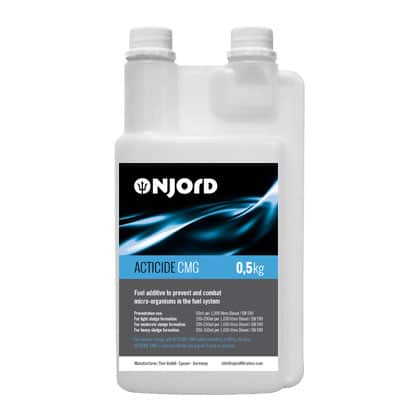
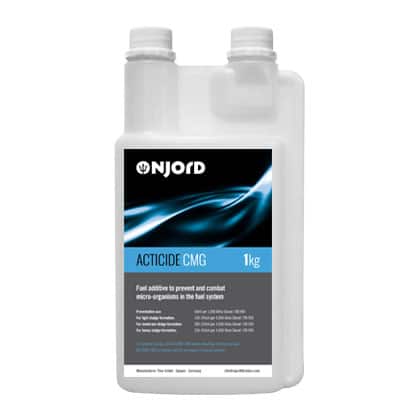
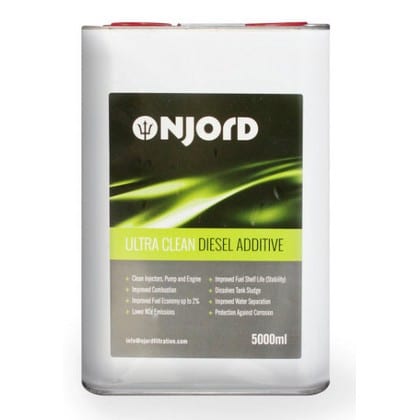
Improved engine performance . Using a diesel additive can help your engine run smoother and more efficiently, preventing - and possibly improving - imperfections and problems. An additive helps the temperature and rate at which diesel fuel burns, which can benefit your engine. With an additive, you will see increased power and efficiency.
Less wear and tear. To properly maintain your engine and keep it on the road for a long time, you need to protect the components and systems and keep them in good condition for many miles. A diesel additive can help with this because it reduces wear and tear on your engine, fuel system and other components. A diesel additive increases lubricity and prevents corrosion thanks to special ingredients, making problems caused by wear less likely.
Less frequent maintenance. Because an additive can reduce the wear and tear on your car, you will find that you need less frequent maintenance. You may need to spend less money or time maintaining different parts of your car.
Less emissions. Emissions are a problem, especially if your engine produces one that produces a ton of exhaust while running. Whether you want to do the environment a favor or meet local emissions standards, a diesel additive can help. With an additive in the mix, your improved engine performance can lead to less carbon dioxide exhaust. And if your additive removes any buildup in your fuel system, it can also reduce emissions.
All-weather performance. When winter temperatures drop, diesel fuel can begin to change. Cold temperatures cause diesel to begin to crystallize, making the fuel waxy. And this can eventually cause damage to your engine and other components - or even prevent you from driving. An additive can prevent these problems, keeping diesel stable at any temperature, regardless of the season.