
Diesel Fuel Conditioner
Diesel fuel handlers
Frequent filter changes and the inconvenience of cleaning fuel tanks have become acceptable rather than a warning sign of engine failure. Filter elements should last a thousand hours or more. However, because diesel is unstable, solid particles begin to form and tank sludge will eventually clog your filters, cause engine smoke and ruin your injectors. Njord Fuel Conditioners have overcome these and other problems in applications where fuel is stored and used. Fuel conditioners do what filters and chemicals cannot. Filter's separators and centrifuges remove particles and free water from fuel. Additives (biocides) commonly recommended to cure the ills of algae in the fuel tank are actually less than effective in long-term control of microbial activity. Biocide treatments exacerbate filtration problems by turning sludge into solids. Cleaning fuel tanks is expensive, takes equipment out of service, necessitates removal and disposal of fuel from tanks and is ineffective. It offers no long-term solution.
Diesel is inherently unstable. Its quality and chemical composition are constantly affected by transportation; from refinery to use storage, oxidation, heat; pressure from engines, injectors, pumps and by water; bacteriological contamination. Even when the fuel is clean, microscopic fuel particles clump together to form larger clusters and organic compounds. Eventually, filters clog and sludge (algae, gum, tar, varnish, wax, etc.) builds up in the storage tank. Fuel conditioners reverse this clumping process.


Diesel fuel handlers
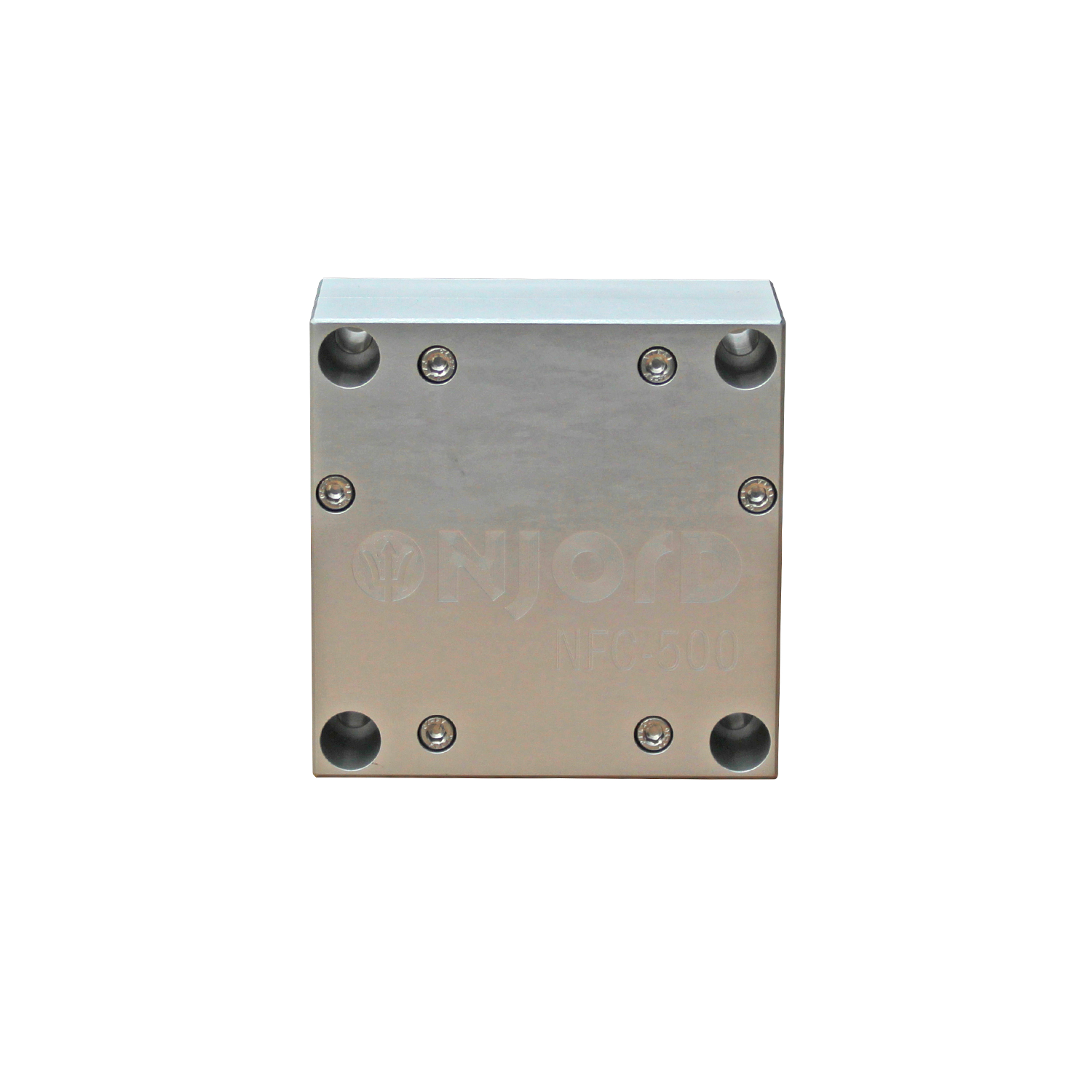
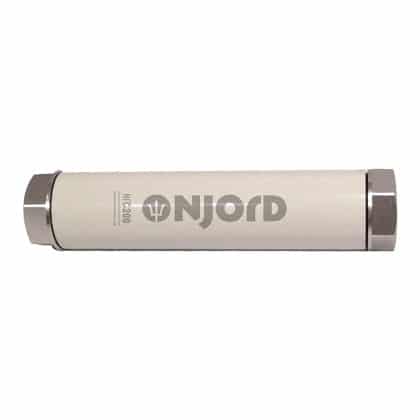
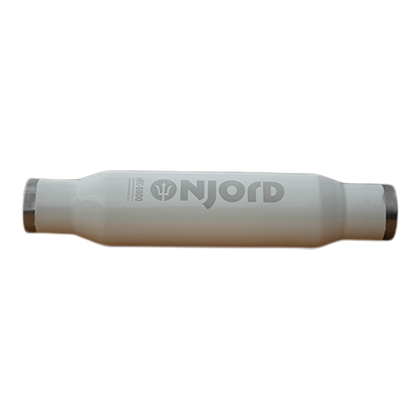
Magnetic diesel fuel conditioners stop the growth of microorganisms in diesel (bacteria, yeast and mold) and pull apart charged particles by their magnetic force. In this way, they break large diesel agglomerates into smaller pieces to prevent filter clogging and soot formation.
Fuel Conditioners traps ferrous metals in the fuel, often caused by corrosion in the tank. Prevents clogged filters. Stabilizes fuel and combats natural degradation. They improve filter life and fuel economy. Diesel conditioners are maintenance-free and self-cleaning. They have no electrical connection. Easy to use and install.
Where are diesel generators installed?
When diesel engines operate, excess fuel not used for combustion is returned to the tank. This process results in continuous recirculation out of the fuel system, and back into the tank, allowing the Diesel Fuel Conditioner to continuously maintain diesel in optimal condition for optimum engine performance.
Njord Diesel Fuel Conditioners are installed in the fuel line between the fuel tank and the primary filter, continuously treat the fuel and keep the entire system clean while the equipment is in operation.